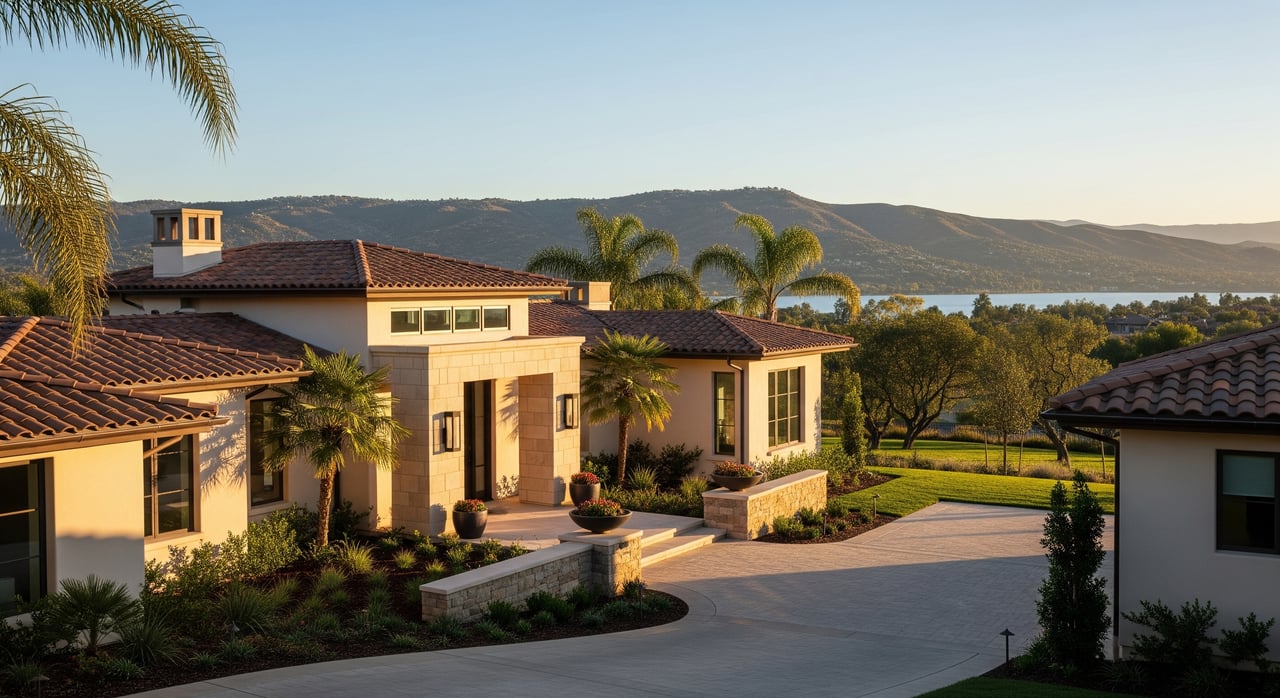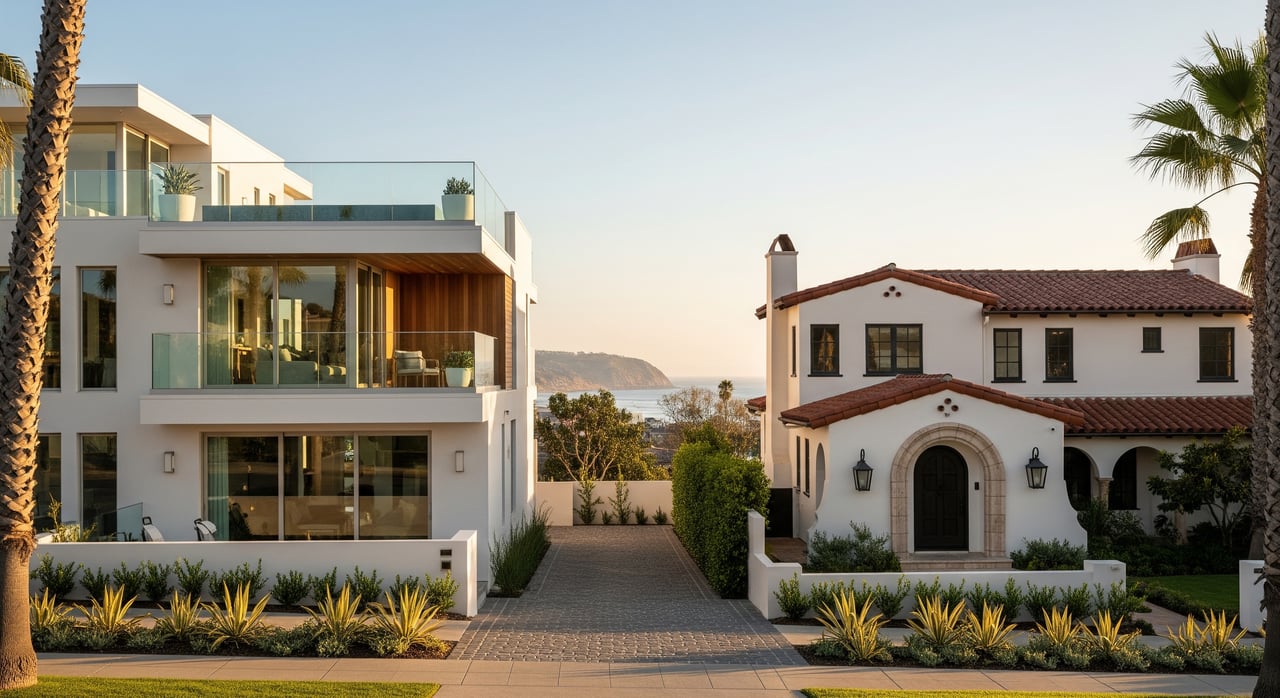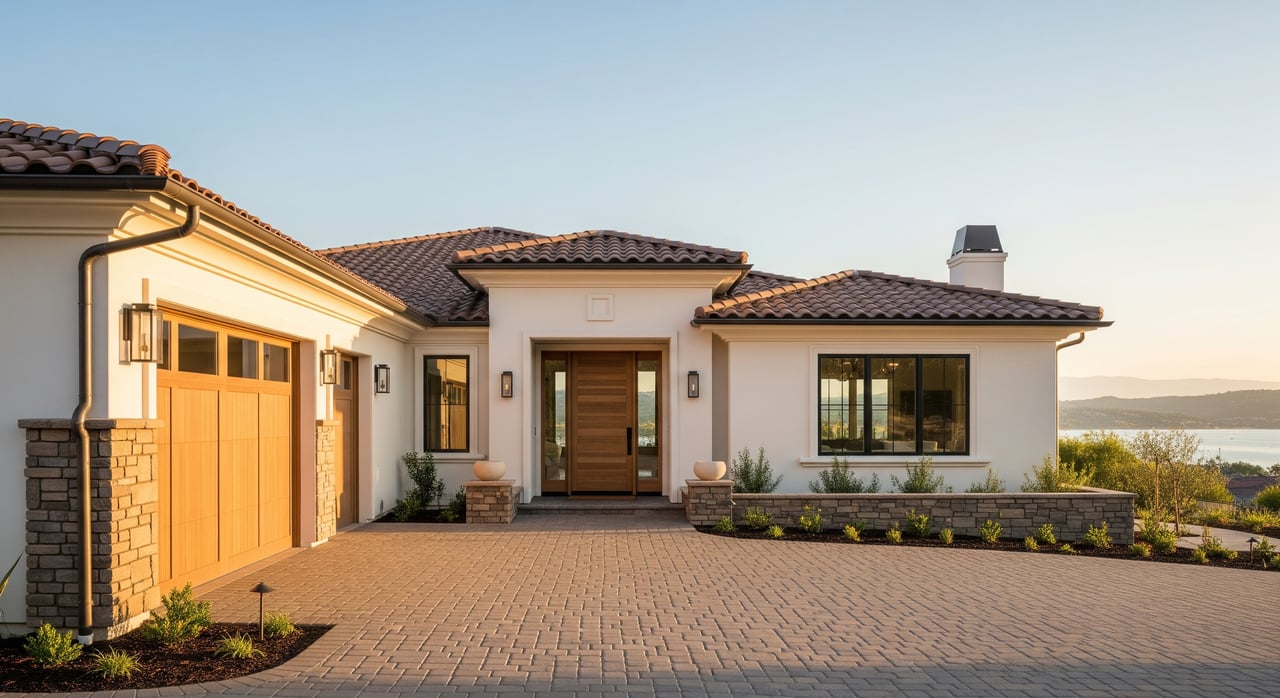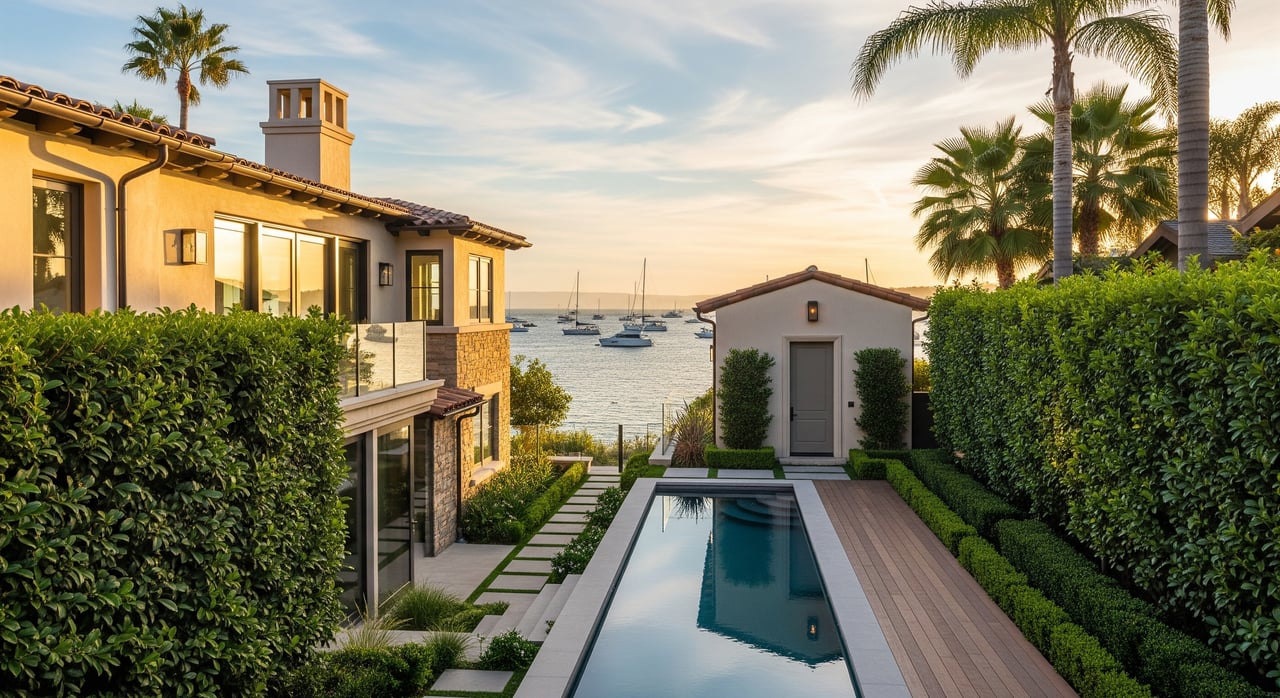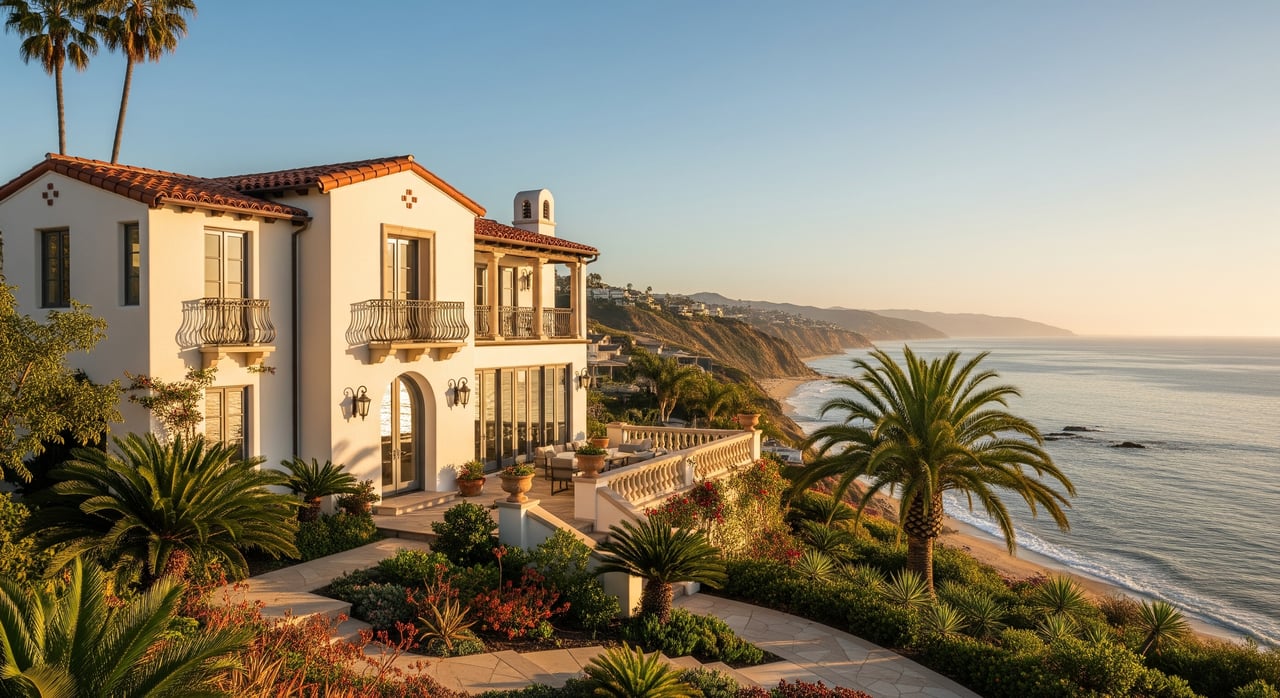
Trying to make sense of market stats before you buy or sell in San Clemente? You are not alone. Terms like DOM, list-to-sale ratio, months of inventory, and price per square foot can feel abstract when all you want is a clear plan. This guide breaks each metric into plain English and shows you how to read them in San Clemente’s coastal market so you can make confident, timely decisions. Let’s dive in.
Key terms in plain English
Days on Market (DOM)
DOM is the number of days between when a home is listed and when it goes under contract. Short DOM often means strong demand and potential multiple offers, especially for smaller, well-priced homes near the coast. Longer DOM suggests more buyer leverage and is common for higher-priced or unique properties. Keep seasonality in mind, since spring is typically faster and winter is slower.
List-to-sale ratio
This compares the final sale price to the original list price. A ratio at or above 100% signals competitive bidding; below 100% points to negotiation under asking. In San Clemente, turn-key coastal homes and smaller 2–3 bedroom properties near the beach can land at or above 100%. Larger, custom, or bluff-front homes often settle below 100% because the buyer pool is smaller.
Absorption and months of inventory
Absorption is how quickly homes are selling. Months of inventory estimates how many months it would take to sell all current listings at the recent sales pace. As a rule of thumb, under about 3 months is a seller’s market, 3 to 6 months is balanced, and over about 6 months is a buyer’s market. Coastal San Clemente often shows lower months of inventory than inland areas, though upper price tiers can see higher supply.
Price per square foot (PPSF)
PPSF is the sale price divided by the home’s finished living area. Closer-to-beach locations and ocean views carry a premium, so PPSF can be much higher on or near the coast. PPSF can also overstate the value of smaller, highly upgraded homes and understate larger homes. Use it only to compare like-for-like properties and adjust for view, lot, and condition.
San Clemente factors that move numbers
Coastal premium and micro-markets
San Clemente is a set of micro-markets. Beach and bluff properties sit in the highest demand, with limited supply. Homes near the Pier and downtown have different dynamics than inland neighborhoods, so compare within the proper tier.
Limited supply on the coast
True beachfront or bluff inventory is small. One or two sales can shift monthly stats noticeably. Read median numbers over 3 to 6 months for a clearer trend.
Buyer mix and motivation
You will see a mix of local owners, downsizers, second-home buyers, investors, and commuters. A higher share of cash in coastal and luxury segments can shorten DOM and lift list-to-sale ratios on the most competitive homes.
Rates and affordability
When mortgage rates rise, the buyer pool for high-priced homes shrinks. That often lengthens DOM and lowers list-to-sale ratios at the top end, even when entry and mid-tier homes stay competitive. Pricing for the current rate environment matters.
Seasonality and policy
Spring is usually the busiest window. Winter tends to be quieter. Also confirm HOA, coastal commission, and short-term rental rules when you compare PPSF and marketability for any property with investment potential.
What this means for sellers
Price to the right micro-market
- Use recent comps that match your view, condition, and location.
- For turn-key coastal homes in active windows, pricing at or slightly below a strong comp can trigger multiple offers and reduce DOM.
- Luxury and unique properties benefit from thoughtful pricing and patience, since the buyer pool is narrower.
Time your listing with supply
- If months of inventory is under about 3 in your tier, expect faster contracts and fewer concessions.
- If DOM is rising and list-to-sale sits under roughly 98%, plan for price or incentive strategies.
Market to coastal buyers
- Spotlight view lines, outdoor living, walkability to the Pier and downtown, and lifestyle features.
- For distinctive or higher-priced homes, plan for a longer runway with targeted outreach and broker exposure.
Set a smart contingency plan
- In a seller’s market, shorter inspection timelines may be realistic, but weigh the impact on buyer pool and financing.
- In a cooling segment, expect standard contingencies and more negotiation around repairs and credits.
What this means for buyers
Read DOM with list-to-sale
- Short DOM plus ratios at or above 100% usually means competition. Consider strong terms and clear timelines after guidance from your agent or attorney.
- Longer DOM and under-100% ratios point to negotiation room and potential concessions.
Use PPSF carefully
- Compare PPSF only among similar properties in the same view class and condition.
- Expect higher PPSF near the beach or with ocean views, and remember to adjust for lot size, remodel quality, and garage counts.
Match financing to the segment
- Track mortgage rates alongside months of inventory to spot shifts in leverage.
- In luxury coastal segments, sellers may favor cash or well-qualified jumbo buyers. Prepare documentation early and keep terms clean.
Quick scenarios
Scenario: Turn-key 2BR near the Pier
- Expect fast DOM, a list-to-sale ratio near or above 100%, and low months of inventory. Sellers can prioritize best terms, and buyers often need a decisive offer to win.
Scenario: Custom bluff home at a higher price
- Expect longer DOM and a list-to-sale ratio below 100% with higher months of inventory. Sellers should plan a longer marketing cycle; buyers can look for negotiation opportunities.
Where to find current numbers
- Local MLS and broker snapshots often provide the most current DOM, list-to-sale ratios, PPSF, and inventory for San Clemente. Confirm whether DOM resets on relist and whether ratios use original or final list price.
- Regional and statewide reports add context for Orange County and California trends. Check methodology, the time window for sales, and how square footage is sourced for PPSF.
- For reliable takeaways, use rolling 90-day views in each segment and compare single-family and condo markets separately.
Next steps
You do not need to become a data analyst to make a smart move. Focus on the few metrics that matter, read them by micro-market, and match your strategy to your price tier and timing. If you want a neighborhood-level read or a customized valuation for your home, reach out to Laird Luxury Real Estate for local guidance.
FAQs
What is a seller’s market in San Clemente?
- Under about 3 months of inventory typically signals a seller’s market, though dynamics vary by coastal versus inland and by price tier.
How should I use price per square foot in San Clemente?
- Compare PPSF only among similar homes, adjusting for ocean views, condition, lot size, and remodel level.
Why is Days on Market rising for my listing?
- Rising DOM suggests you should review pricing, marketing, and comps; seasonality may also be a factor.
Do list-to-sale ratios change month to month?
- Yes, they can swing with small sample sizes, so use multi-month averages for a clearer trend.
How much negotiation room do buyers have?
- Entry and turn-key coastal homes often have less room; higher-priced or unique homes usually allow more negotiation based on DOM and inventory.