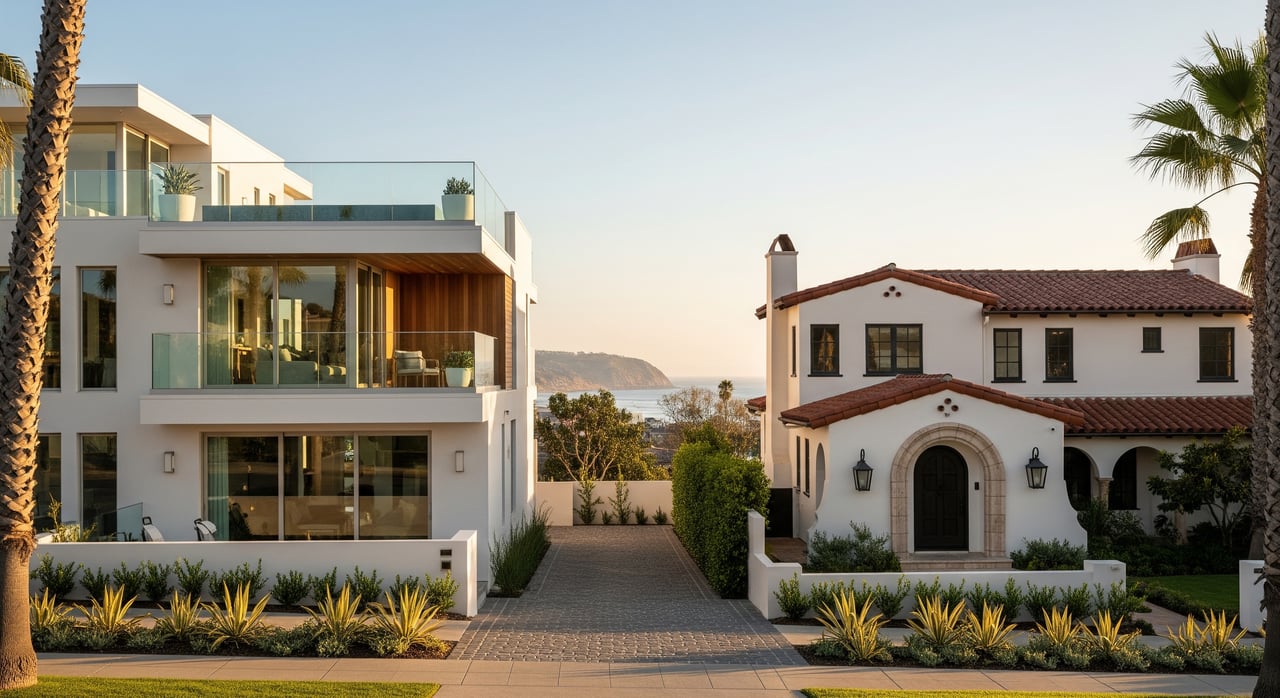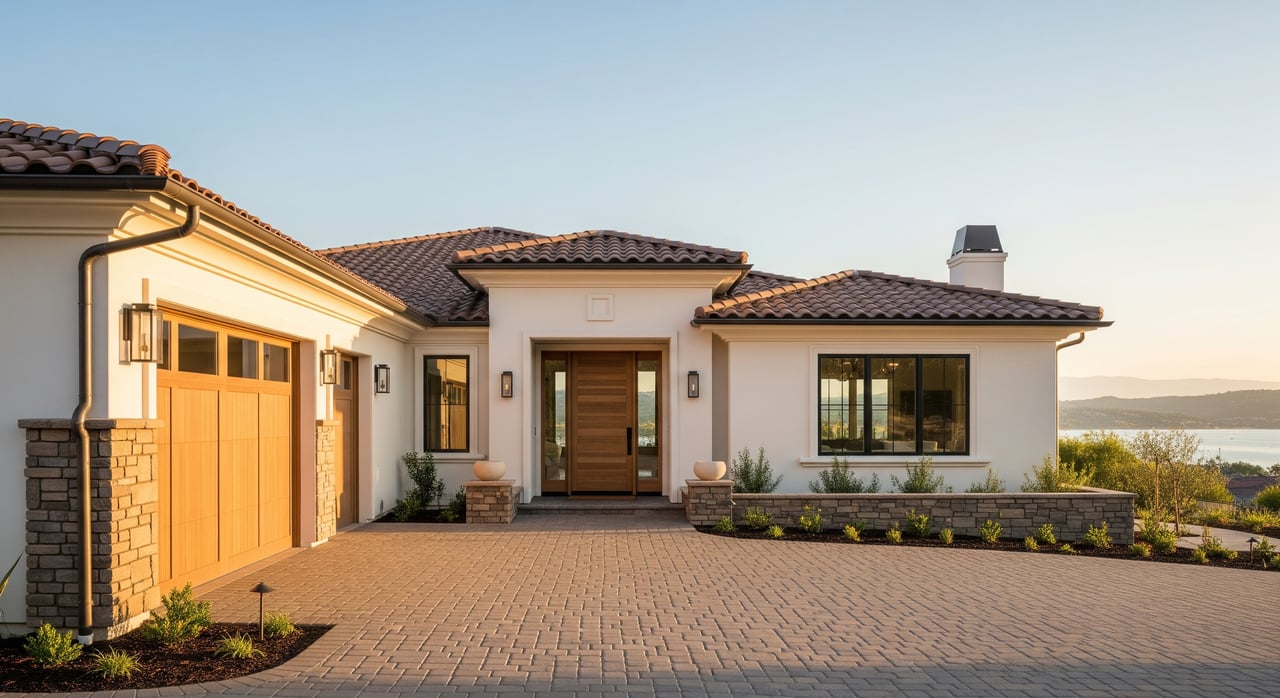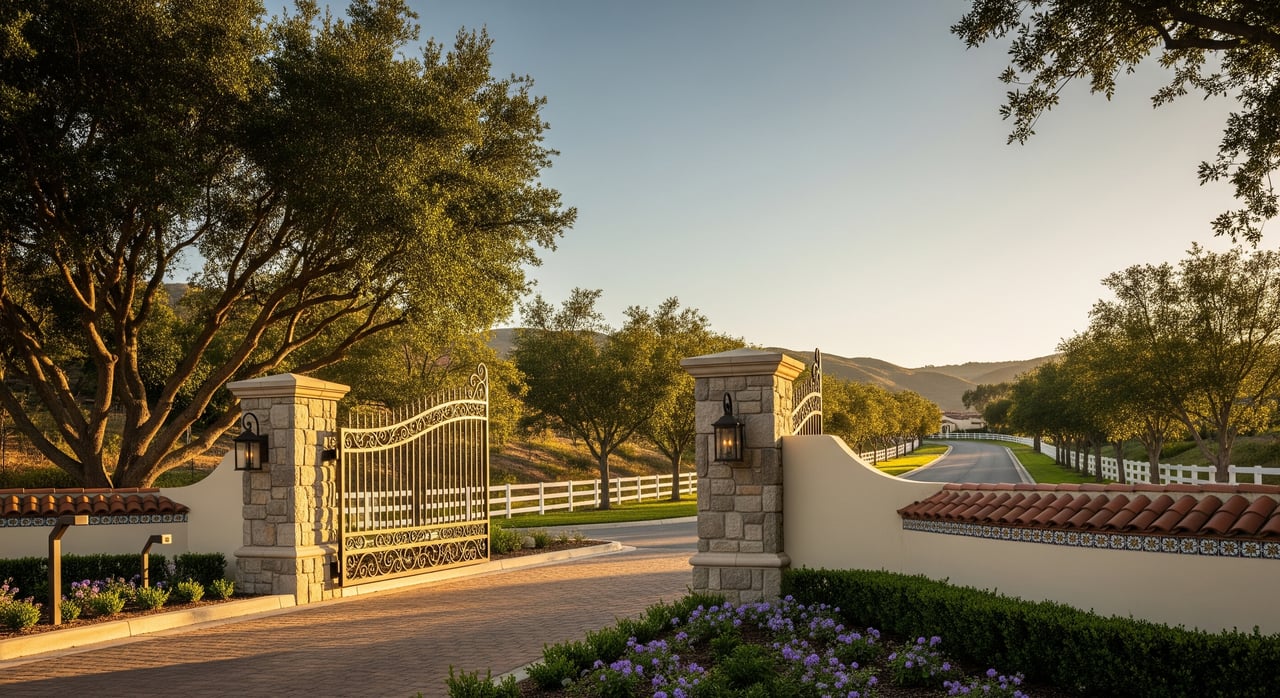
Thinking about buying in Coto de Caza? The guard-gated setting, open space, and polished look are a big draw, but the HOA layers can feel complex. You want the privacy and amenities without surprises in rules, dues, or special assessments. This guide breaks down how HOAs work here, what to review before you commit, and how to buy with confidence. Let’s dive in.
How Coto de Caza HOAs work
Coto de Caza is a master-planned, guard-gated community. In communities like this, you often belong to a master association that manages items that serve everyone, and you may also join a sub-association tied to your specific neighborhood or building.
- Master association: Typically handles gate operations, private roads, trails, community landscaping at entries, liability insurance for common areas, and community-wide rules. All owners usually pay a master assessment.
- Sub-association: Often covers items specific to a neighborhood or building type, such as structural upkeep for condos or attached homes, neighborhood pools or parks, and architectural control within that sub-community. Sub-association dues are in addition to the master dues.
- Private clubs: Golf, equestrian, or tennis clubs are commonly run as separate private memberships with their own dues and rules. Access is not guaranteed by homeownership unless membership terms say so.
The key is to confirm which association or associations you will join and what each one covers before you close.
Who runs the associations
Volunteer homeowners serve on elected boards for the master and any sub-association. Many associations hire a professional management company for daily operations, vendor oversight, and collections. An Architectural Control Committee or a design review team enforces exterior standards and reviews modification requests.
What CC&Rs and agreements cover
The CC&Rs set homeowner obligations, powers of the board, and assessment duties. Rules and design guidelines spell out what you can change on the exterior and how to apply. There may also be easements or agreements that define who maintains gates, roads, or shared amenities. If a private club exists, expect separate agreements and dues that are outside the HOA budget.
Amenities and lifestyle tradeoffs
Coto de Caza and similar gated communities often offer a long list of amenities along with specific lifestyle expectations. Here is what you can expect:
- Guarded entries with visitor access systems and staffed gatehouses.
- Community trails, open space, and in some cases equestrian facilities and riding trails.
- Parks, playgrounds, neighborhood pools, and sports courts.
- Private golf or country clubs that usually require separate memberships.
- Community centers, landscaped entries, monument signage, and events.
There are tradeoffs to consider:
- Privacy and security vs. access: Gate control increases privacy, but guest access, deliveries, and contractor entry can require extra steps.
- Predictability vs. restrictions: Rules protect community aesthetics, which can support property values, but they also limit parking, exterior changes, holiday decor, and yard use.
- Costs vs. services: More amenities and private roads mean higher ongoing dues and stronger reserves to fund replacements.
- Club separation: Club amenities may require separate fees and are not always tied to ownership.
- Enforcement culture: Some associations enforce strictly and fine quickly, while others are more flexible. You can often spot this in meeting minutes and violation records.
What to review before you buy
California law and standard real estate practice call for a resale disclosure package. Get it early and read it carefully. Focus on both the master and any sub-association that applies to your home.
Must-have documents and what to check
- CC&Rs and amendments (master and sub): Review use restrictions, leasing limits, short-term rental rules, pet policies, parking, flags and signage, and maintenance responsibilities.
- Bylaws and Articles: Check board powers, election procedures, meeting notice requirements, and quorum rules.
- Rules and architectural guidelines: Understand the approval process, submission requirements, typical timelines, and neighbor notifications for exterior changes.
- Current budget and financials: Look for deficits, clear separation of operating and reserve funds, and reasonable administrative costs.
- Reserve study and plan: Confirm funding levels for big components like gates, roads, pools, fencing, and landscaping. Underfunded reserves can lead to special assessments.
- Board and member minutes (12–24 months): Watch for capital projects, contract renewals, security incidents, enforcement patterns, and resident concerns.
- Insurance summary and certificate: Note coverage limits, deductibles, and what the HOA covers vs. what you must insure. Earthquake and flood coverage is often separate.
- Assessments and special assessments: Verify current dues, any pending or approved special assessments, and the history of dues increases.
- Litigation disclosure: Active lawsuits can pose financial risk and affect loan approval in some cases.
- Delinquency report and collections policy: High delinquency can signal stress that may lead to higher dues or reduced services.
- Management and vendor contracts: Look for long-term agreements that lock in costs or auto-renew without flexibility.
- Transfer and resale fees: Confirm who pays, what is included, and delivery timelines for documents.
- Guest access and short-term rental rules: Understand how guest passes work and any minimum lease terms that may affect your plans.
- Architectural approval history (if available): See common reasons for approvals and denials.
Red flags to pause on
- Repeated special assessments or large upcoming projects with weak reserves.
- Active, unresolved litigation involving the association or key vendors.
- High delinquency rates or frequent lien filings against owners.
- Management turnover or ongoing board disputes shown in minutes.
- Vague CC&R language that grants broad discretion without clear checks.
- Major amenities marketed as part of the lifestyle but controlled by a private club with separate dues and limited access.
Daily life in a guard-gated setting
Your daily routine will involve gate procedures for visitors, service providers, and deliveries. Ask about guest pass systems, contractor hours, and how ride-shares and food deliveries are handled. If you host events often, understand any extra steps required for larger guest lists.
Expect detailed rules on exterior changes and parking. Most associations require written approval before modifying landscaping, paint, fences, or hardscape. Plan ahead for design review timelines and permit needs. If you travel frequently or plan to rent at times, check the minimum lease length and registration rules.
Insurance and local services
Most associations carry a master policy for common areas, while owners insure their own unit interiors or structures, depending on the property type. Review coverage limits and deductibles, and confirm what is yours to insure. Consider earthquake and flood coverage separately, since these are often not part of the master policy.
Coto de Caza is in an unincorporated area of Orange County. Law enforcement and certain municipal services are provided by county agencies and special districts rather than a city. Ask which agencies respond to emergencies and which office handles building permits and code matters for your address.
Budgeting for dues and reserves
Your monthly costs include HOA assessments for the master and, if applicable, a sub-association. Strong reserves help fund future replacements of big-ticket items like gates and roads. If reserves are thin, special assessments become more likely. Ask for a history of dues changes and the association’s approach to reserve funding.
Make a confident offer
Use a simple plan to protect your interests:
- Request the resale package early so you have time to review.
- Read the CC&Rs, rules, budget, and reserve study first, then scan minutes and insurance.
- Confirm gate staffing hours, guest access policies, and contractor rules with management.
- Visit at different times of day to assess traffic, noise, and enforcement culture.
- Clarify private club access, waitlists, and dues if those amenities matter to you.
- Ask your insurance agent to confirm the right policy type and costs.
- Factor assessments and potential special assessments into your total cost of ownership.
- Align your contingencies and deadlines with the time needed to review documents thoroughly.
Work with a local guide
Buying in a gated community is about fit, not just price. You deserve clear answers, organized documents, and a steady plan from offer to close. If you want a practical breakdown of the CC&Rs, budget and reserves, guest rules, and how the master and sub-associations work together for a specific property, our team is ready to help.
Have questions about a particular street or sub-association in Coto de Caza? Reach out to schedule a no-pressure consult with Laird Luxury Real Estate. We will help you request the right documents, interpret the fine print, and move forward with confidence.
FAQs
What is a master vs. sub-association in Coto de Caza?
- A master association manages community-wide items like gates and private roads, while a sub-association handles neighborhood-specific items such as condo maintenance or a local pool.
Are golf or equestrian amenities included in HOA dues?
- These are often separate private clubs with their own memberships and dues, so access is not guaranteed by owning a home in the community.
How strict are HOA rules in guard-gated communities?
- Enforcement style varies by association, so review meeting minutes and violation policies to understand the culture before you buy.
What insurance do I need as a Coto de Caza buyer?
- The HOA’s master policy covers common areas, and you typically insure your home or unit interior separately, with earthquake and flood often as separate policies.
Who provides police and fire services in Coto de Caza?
- Coto de Caza is unincorporated, so law enforcement and some municipal services are provided by county agencies and special districts.
Can I do short-term rentals in Coto de Caza?
- Many HOAs restrict short-term rentals or set minimum lease terms, so check the CC&Rs and rules before planning any rentals.
How do guest and contractor gate policies work?
- Gate access is controlled, so confirm guest pass procedures, contractor hours, and delivery protocols with the management company.
What is a reserve study and why does it matter?
- A reserve study forecasts the cost and timing of major repairs, and strong reserves help avoid special assessments when big components need replacement.
Will I pay more than one HOA fee here?
- You will usually pay a master assessment and, if your home is in a sub-association, an additional neighborhood assessment.
What if the HOA is in litigation?
- Active litigation can increase risk and costs, so review the disclosure carefully and understand potential impacts on assessments and timelines before closing.