Thinking about turning part of your property into a rental, guest suite, or home office? In San Juan Capistrano, an accessory dwelling unit can unlock new space, flexibility, and potential income. You want a clear picture of what is allowed, what it costs, and how to get started without surprises. This guide breaks down ADU basics for SJC homeowners, with practical steps, local considerations, and how an ADU can affect long‑term value. Let’s dive in.
What an ADU or JADU is
An accessory dwelling unit is a secondary home on the same lot as your primary residence. In California, there are two main types:
- ADU: A self-contained unit that can be detached, attached, or created by converting existing space like a garage or accessory building.
- JADU (Junior ADU): An interior space within the main home, typically up to 500 square feet, with separate sleeping and cooking facilities. A JADU may share a bathroom with the main house.
State law sets broad rules that cities must follow, while allowing each city to apply objective standards such as setbacks, height, and design. That means San Juan Capistrano must allow certain ADUs that meet state criteria, though the city still enforces its own measurable standards.
Common ADU formats
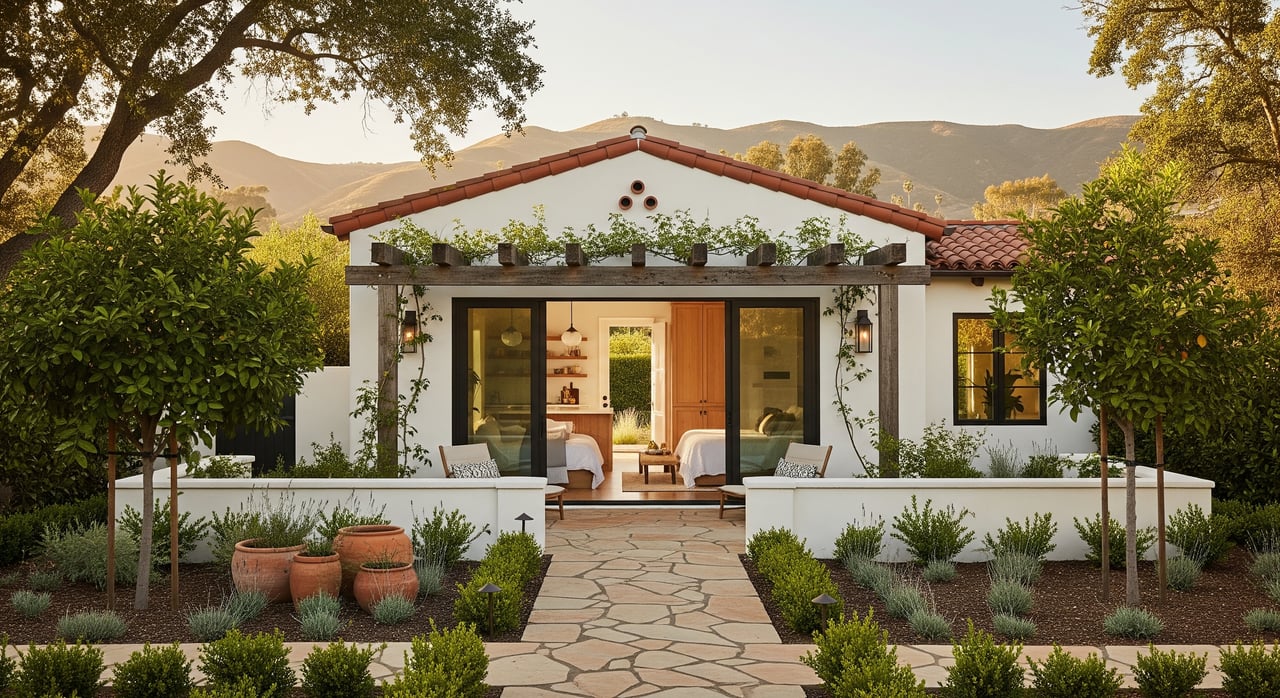
- Detached ADU: A backyard cottage or standalone structure. Offers privacy, usually at a higher cost.
- Attached ADU: A new addition that connects to the main house with its own entrance.
- Conversion ADU: A garage, attic, or accessory structure converted into a dwelling.
- JADU: A smaller interior unit carved out of the main house.
Key rules that affect your plan
California’s ADU laws are designed to streamline approvals and reduce barriers. Here are the essentials that typically apply statewide:
- Ministerial review: If your ADU meets objective standards, the city must use a non-discretionary, streamlined permit review.
- Parking flexibility: Many ADUs qualify for parking exemptions, including units near transit, conversions of existing space, or JADUs. Always confirm whether a parking exemption applies to your property.
- Owner-occupancy: State law reduced or removed owner‑occupancy requirements in many scenarios. Check current local rules to confirm what applies to your project.
- Size guidance: JADUs are generally capped at about 500 sq ft. Detached ADUs can be approved up to around 1,200 sq ft under state law, though cities can set smaller maximums within state limits. Verify San Juan Capistrano’s current size and height limits before you design.
San Juan Capistrano specifics to verify
San Juan Capistrano follows state ADU law but sets its own objective standards. Before you spend on design, check:
- Setbacks and height: Detached ADUs often have reduced side and rear setbacks compared with the main home, but clearances still apply. Second stories may trigger larger setbacks to protect privacy.
- Lot coverage and FAR: Some cities count ADUs within total allowable lot coverage or floor area; others have ADU‑friendly exemptions. Confirm how SJC calculates these limits.
- Historic areas: The downtown area near the Mission includes historic resources. Projects there may face stricter design review and material standards.
- Coastal considerations: If your parcel is in the Coastal Zone, you may need a Coastal Development Permit. Confirm your parcel’s status early.
- Sewer vs. septic: Homes on septic systems often face capacity reviews and health department approvals. This can affect size and placement.
- HOA/CC&Rs: Private covenants can limit exterior appearance and rental terms. You still have city permit rights, but HOA rules may add conditions.
Site planning in SJC neighborhoods
A good site plan balances what is allowed with what will live well. Consider:
- Privacy and sightlines: One-story ADUs often reduce overlook and neighbor concerns. If you plan a second-story unit, pay attention to window placement and setbacks.
- Access and safety: Emergency access, path of travel, and driveway use can affect ADU location. Plan clear, well-lit access from the street.
- Utilities and grading: Utility connections and lateral capacity can add cost. Sloped lots or hillside conditions may require grading or engineering.
- Replacement parking: If you convert a garage, the city may require replacement parking unless an exemption applies. Check this before you remove parking spaces.
Picking the right ADU type for your lot
Each ADU path has tradeoffs. Match the option to your goals, budget, and parcel:
Garage or interior conversion
- Pros: Typically the lowest cost and fastest path. Less site work and often simpler utilities.
- Consider: Replacement parking rules, fire and sound separation, and daylight.
Detached backyard unit
- Pros: Maximum privacy and flexibility. Strong rental appeal.
- Consider: Highest cost, potential grading or utility extensions, and height setbacks.
Attached addition
- Pros: Efficient utilities, seamless exterior design, easier access for multigenerational use.
- Consider: Construction impacts to the main home and potential design review details.
JADU
- Pros: Smallest scope and cost, often the quickest to complete.
- Consider: Limited size and layout options, shared walls, and potential bathroom sharing under allowed configurations.
What it costs in Orange County
Actual costs vary with size, finishes, and site work, but common ranges include:
- JADU: About $10,000 to $60,000.
- Conversion ADU: About $40,000 to $150,000.
- New detached ADU: About $150,000 to $400,000 or more. Coastal and urban Orange County often land near the higher end of these ranges.
Budget for design, engineering, permit fees, utility upgrades, and contingencies. Local utility capacity and sewer laterals can be a notable swing factor.
Timeline from idea to move‑in
A realistic schedule helps set expectations:
- Concept and site study: 2 to 6 weeks for a site survey, early sketches, and city feedback.
- Design and engineering: 4 to 12 weeks depending on complexity.
- Permit review: Ministerial review is intended to be streamlined, often 30 to 90 days when plans are complete and compliant.
- Construction: About 3 to 9 months, longer if grading, coastal, or historic issues apply.
Delays often stem from utility upgrades, geotechnical needs, or overlay reviews. A complete submittal package reduces rechecks.
Financing your ADU
Homeowners typically use one or more of these options:
- Cash or savings
- HELOC or home equity loan
- Cash‑out refinance
- Construction or renovation loans
- ADU‑specific loan products that some lenders offer
Underwriting varies by lender and loan type. If you plan to rent the unit, discuss how projected rental income is considered in qualifying.
Operating your ADU: rent, insurance, and taxes
- Rental income: ADUs can generate income, but rents depend on unit size, finishes, and neighborhood. Use local comps and vacancy rates to forecast.
- Insurance: Update your homeowners policy to cover the additional unit and consider landlord liability if you rent it.
- Property taxes: Improvements can increase assessed value. Rental income is taxable. Ask the assessor’s office or your tax advisor about how your plans may affect assessments.
- Short‑term rentals: Rules are local and often restricted. Confirm what San Juan Capistrano and any HOA allow before planning short‑term stays.
Step‑by‑step plan to start in SJC
- Confirm zoning: Verify that ADUs are allowed for your parcel and whether you are in the Coastal Zone or a historic area.
- Check utilities: Determine sewer versus septic and any capacity constraints. Ask about lateral upgrades and meter options.
- Review HOA/CC&Rs: Identify exterior design, rental, and parking rules that apply to your community.
- Establish your goal: Decide between family use, long‑term rental, or other use. This guides size, layout, and finishes.
- Choose an ADU type: JADU, conversion, attached, or detached based on budget and site.
- Get a site sketch: Commission a simple survey and siting plan to test setbacks, access, and utilities.
- Seek early feedback: Many planning departments will provide preliminary guidance on standards and submittal needs.
- Collect estimates: Price design, engineering, construction, fees, and utility work. Include a contingency.
- Plan financing: Compare HELOC, refinance, or construction loan options with your lender.
- Prepare permits: Assemble drawings, calculations, and forms for a complete ministerial submittal.
How ADUs can affect resale value
ADUs often improve flexibility and marketability. Buyers value permitted, well‑finished units that are easy to lease or use for multigenerational living. The value premium depends on rental income potential, parking, privacy, and overall quality. In some cases, the resale price does not capture the full construction cost, but owners benefit from monthly rental income and broader appeal when selling.
A thoughtful design that respects privacy, provides clear access, and complements the main home tends to perform best. If you plan to sell in the next few years, talk to a local agent early about what finishes and layouts attract buyers in your submarket.
Common pitfalls to avoid
- Skipping early checks: Not confirming setbacks, overlays, or septic status can cause redesigns and delays.
- Underestimating utilities: Sewer laterals, electrical capacity, or gas lines can add time and cost.
- Ignoring parking rules: Garage conversions can trigger replacement parking unless exemptions apply.
- Designing in a vacuum: A layout that overlooks privacy, access, or noise can hurt rental appeal and resale.
- Incomplete submittals: Missing documents slow permit review. Submit a complete, code‑compliant package.
Ready to explore the best path for your property? You can get local insight on buyer demand, likely rental ranges, and which ADU approach will add the most value for your goals. For a neighborhood‑level perspective and guidance tailored to your plans, reach out to Laird Luxury Real Estate to start with a free home valuation and conversation.
FAQs
What is an ADU in California?
- An accessory dwelling unit is a secondary home on the same lot as a primary residence, created as a detached, attached, or converted space, with its own living and cooking area.
How big can an ADU be in San Juan Capistrano?
- State law allows detached ADUs up to around 1,200 sq ft as an upper bound, but cities can set smaller maximums. Verify SJC’s current size and height standards before designing.
What is a JADU and how is it different?
- A junior ADU is an interior unit within the main home, typically up to 500 sq ft, with separate sleeping and cooking facilities and the option to share a bathroom.
Do I need parking for an ADU in SJC?
- Many ADUs qualify for parking exemptions under state law, such as conversions of existing space or locations near transit, but confirm your specific situation with the city.
Will my property taxes go up if I build an ADU?
- Improvements can increase assessed value and property taxes, and rental income is taxable. Check with the assessor’s office or a tax professional for details.
How long does ADU permitting take in San Juan Capistrano?
- Ministerial review is intended to be streamlined, often 30 to 90 days once plans are complete and compliant, with total project timelines commonly several months including design and construction.
Can I use an ADU for short‑term rentals in SJC?
- Short‑term rental rules are local and often restricted. Confirm San Juan Capistrano’s current ordinance and any HOA rules before planning short‑term stays.